01
Relaxation-led styles emphasise overall flow
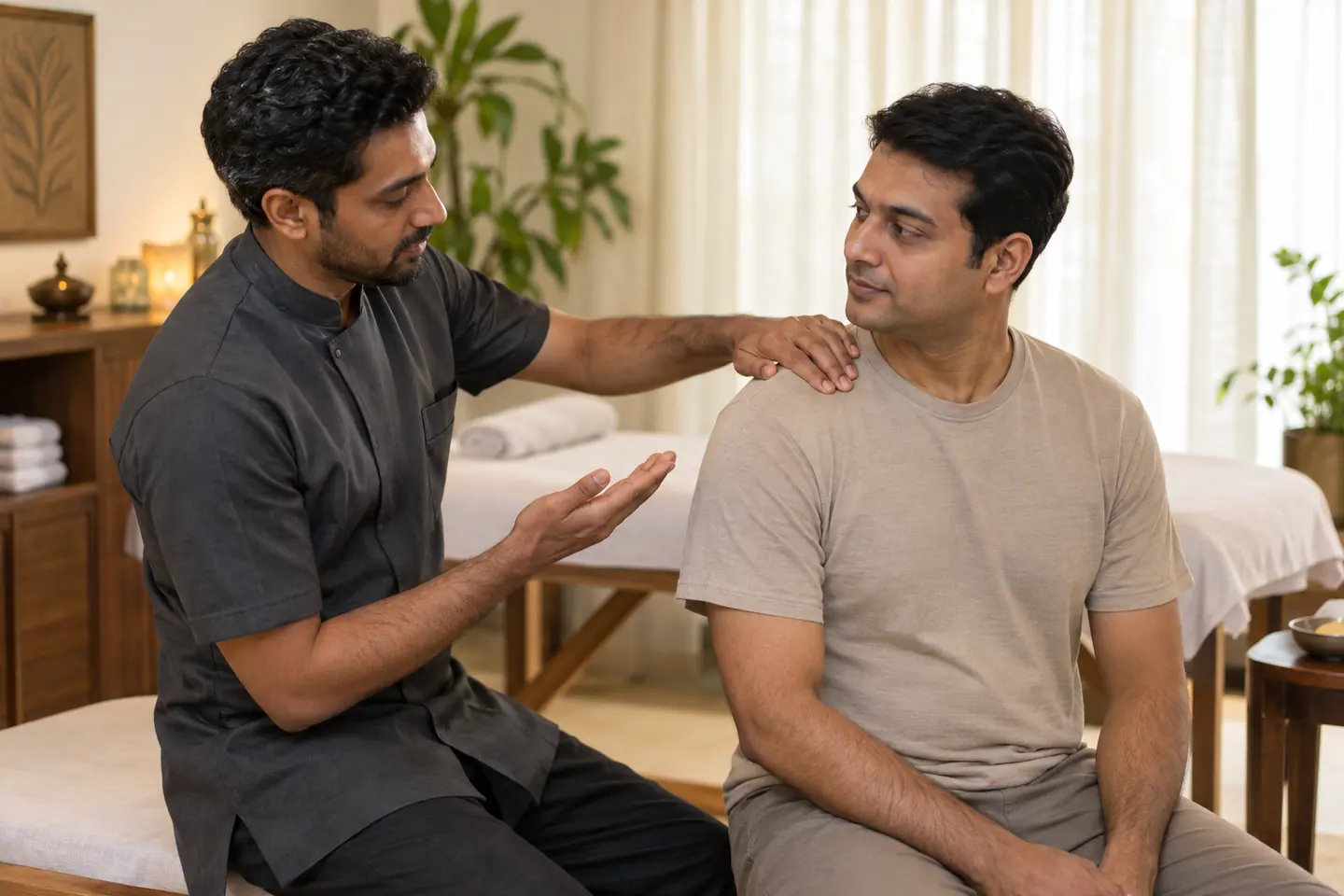
Classic, Swedish-style and other relaxation-led services commonly focus on a balanced rhythm across broader areas. The first enquiry can stay simple: describe the pressure and pace you prefer and whether there is an area you would like the discussion to consider.
This family can be a useful starting point when the overall atmosphere matters more than a particular modality name. It should still include clear communication about draping, products and personal boundaries.
02
Pressure- and technique-led styles need clearer expectations
Deep tissue, Balinese, Thai, Lomi Lomi and similar labels may suggest different movement patterns, pressure approaches or setup needs. However, names can be interpreted differently, and some modalities may depend on a practitioner or equipment that is not available for every request.
Ask how the service is approached, what clothing or setup is expected, and whether it suits the home space you can provide. Do not use a style name as a substitute for discussing comfort.
03
Area-focused services narrow the conversation
Head, foot, neck-and-shoulder and back-focused options centre the enquiry on a named area. They can be useful when you prefer a more limited scope rather than a broad routine. The focus should be described as a wellness preference, not a self-diagnosis or a promised treatment outcome.
Confirm what is included and how the selected area is approached. If pain, injury or a health concern is the reason for your request, consult a suitably qualified healthcare professional before deciding whether massage is appropriate.
04
Product-led rituals add a sensory or skincare element
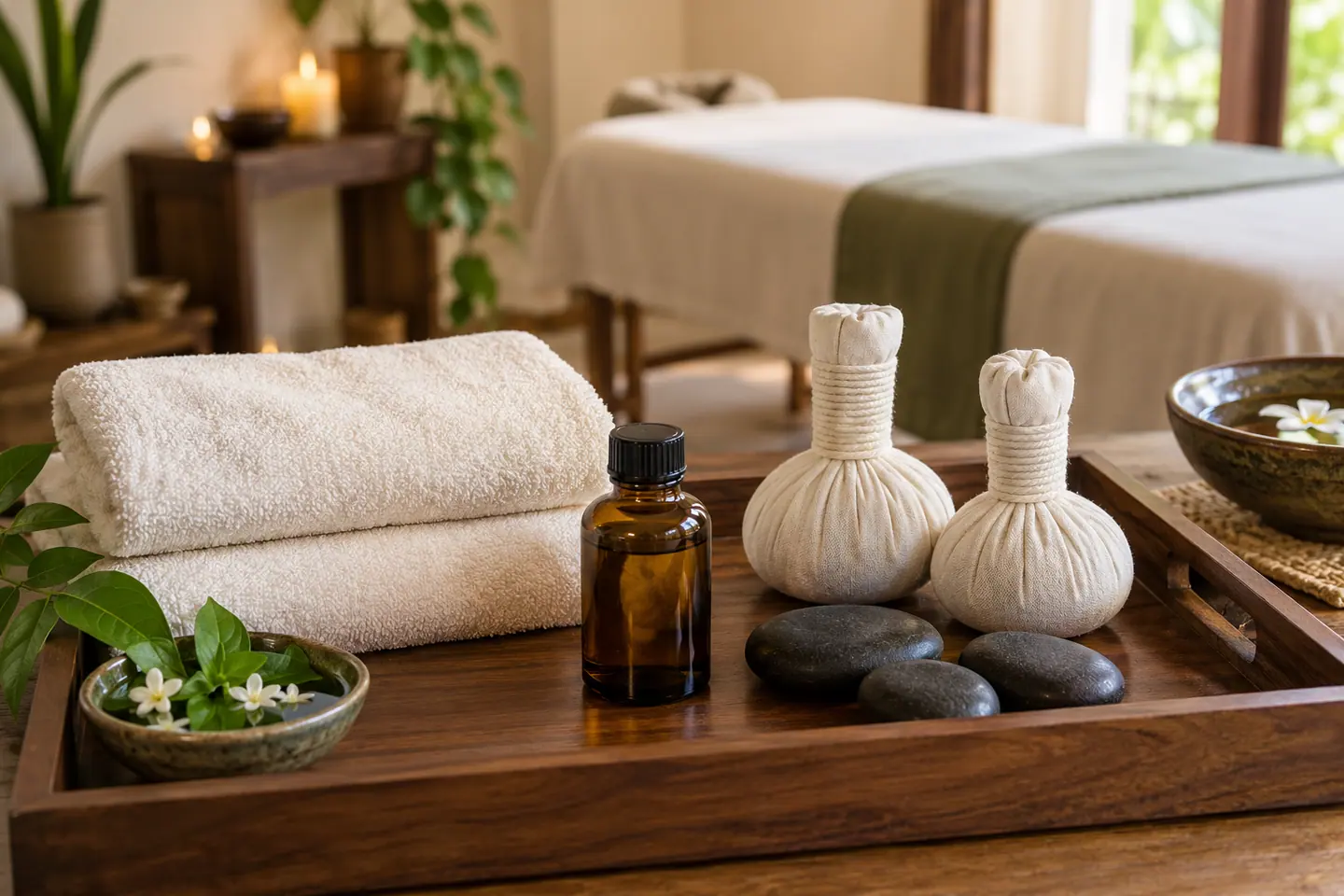
Aromatherapy, herbal, scrub and oil-focused rituals introduce product choices alongside touch. Ask what product is proposed, whether fragrance is involved and what home preparation is needed. Share known sensitivities or ingredients you avoid before confirming an arrangement.
Keep a towel, drinking water and a clear working area ready if your chosen ritual needs them. Confirm any preferred or avoided fragrances in advance so the arrangement feels comfortable from the start.
05
Multi-person and speciality requests depend on logistics
Couples, duo, group, event and package enquiries require details beyond a service name. Share the number of people, whether simultaneous service matters, available space and your locality. Staffing and setup need to be checked before anything is confirmed.
For any category, the most useful approach is the same: choose a likely family, explain the experience you want and ask what is practical for your request. That produces a clearer conversation than selecting solely from a long list of titles.
- Experience family and preferred pressure
- Broad or area-focused scope
- Products, scent and setup questions
- Number of people and whether simultaneous service matters
- Bengaluru locality and preferred schedule